Home Blood Tests for Beginners: What to Know Before Starting
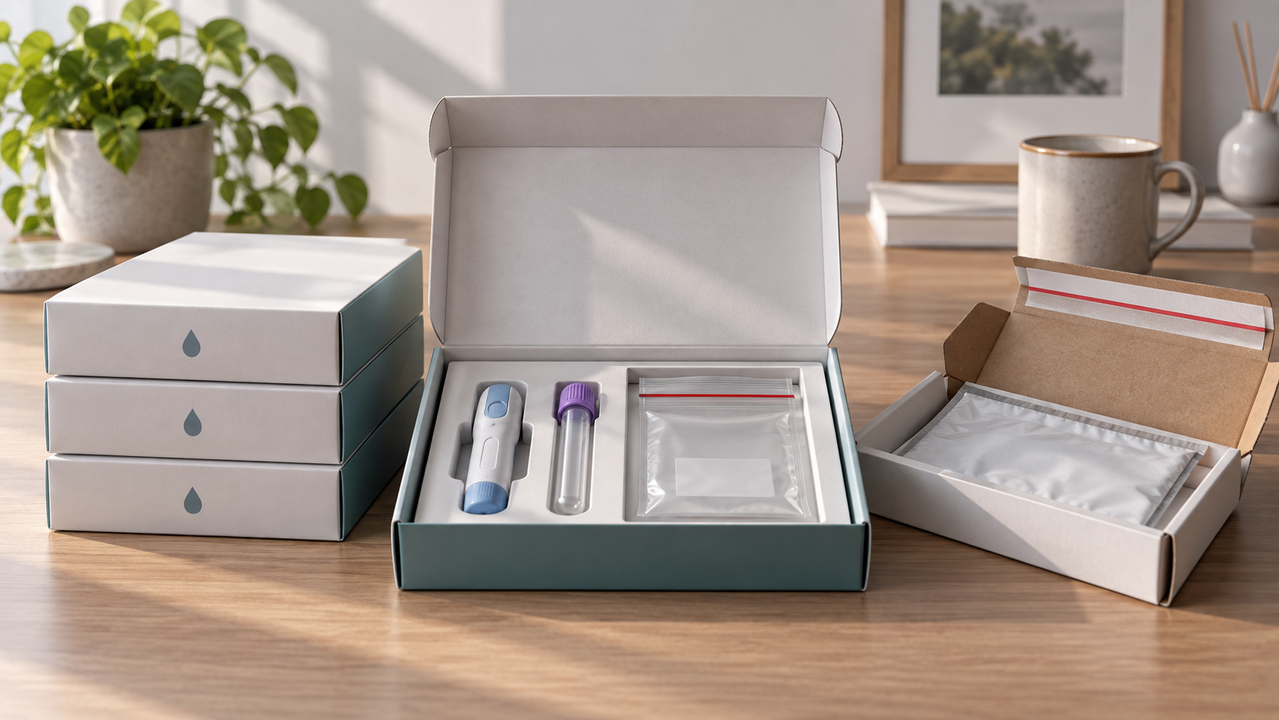
Starting with home blood tests can feel daunting, especially for beginners unfamiliar with the process. This method offers a convenient way to monitor health markers without visiting a clinic, but it requires careful preparation and understanding. For anyone considering home blood tests for beginners: what to know before starting is essential knowledge to ensure accurate and reliable results.
Many first-time users face common challenges such as collecting a sufficient blood sample, managing specimen handling, and interpreting results correctly. Addressing these challenges early can improve the overall experience and prevent common errors. This article focuses on troubleshooting and problem-solving strategies tailored for those new to home blood testing.
By exploring typical obstacles and their root causes, this guide provides step-by-step solutions and advice for preventing mistakes. Whether you are using a finger prick blood test UK or a more comprehensive home blood test kit, knowing what to expect beforehand will greatly enhance your confidence and outcomes.
Common Obstacles When Starting Home Blood Tests
Difficulty in Collecting an Adequate Sample
One of the most frequent issues beginners face is obtaining enough blood for analysis. Insufficient volume can lead to invalid or inconclusive test results, requiring repeat sampling. This problem often arises from incorrect lancet use or inadequate finger preparation before the prick.
To resolve this, ensure the finger is warm and relaxed to encourage blood flow. Avoid squeezing the finger too hard as this can dilute the sample with tissue fluid, compromising accuracy. Practising the finger prick technique on non-test occasions can also reduce anxiety and improve skill.
Improper Specimen Handling
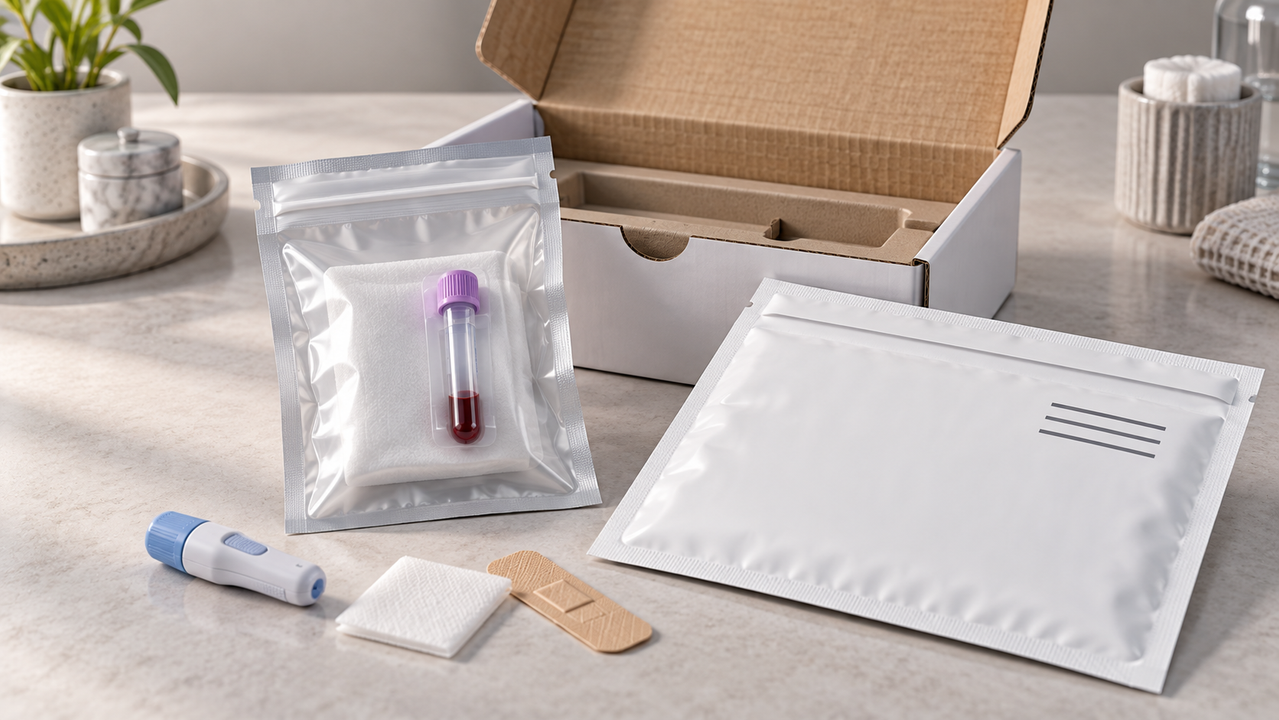
Once the blood is collected, maintaining its integrity is crucial to obtaining valid results. Incorrect specimen handling, including poor specimen labelling or delays in sample transport, can degrade the blood and affect analysis. These pre-analytical factors are often overlooked by beginners.
Following detailed instructions on packaging and shipping the sample promptly helps maintain sample stability. For further guidance on specimen handling techniques, reliable resources on specimen handling offer comprehensive advice to avoid common errors.
Misinterpretation of Test Instructions
Home blood test kits come with specific protocols that must be followed carefully. Misreading instructions can lead to errors such as collecting samples at the wrong time or under unsuitable conditions. These mistakes may invalidate the test or skew results.
Taking time to read all instructions thoroughly before beginning the test, and preparing all materials in advance, reduces the risk of procedural errors. If clarification is needed, contacting the test provider for support is advisable.
Resolving Issues with Equipment and Supplies
Choosing the Right Blood Test Kit
Beginners often struggle to select an appropriate home blood test kit that matches their needs and capabilities. Some kits are more user-friendly, while others require more precise handling and experience. Understanding the kit’s components and requirements is vital before purchase.
Opting for a well-designed home blood test kit from reputable sources ensures clearer instructions and reliable materials. For those in the UK, a click here to explore options from DragonDX provides access to trusted finger prick blood test UK kits suited for beginners.
Proper Use of Lancets and Collection Devices
Incorrect use of lancets can cause discomfort and inadequate blood flow. Selecting lancets with appropriate gauge and depth reduces pain and improves sample quality. Beginners should test the device on a non-critical finger to become accustomed to the sensation.
Additionally, ensuring all collection devices are sterile and unused prevents contamination. After use, safely dispose of lancets according to local regulations to avoid injury or infection risk.
Preparing a Clean Testing Environment
Environmental factors can impact the quality of home blood tests. Conducting the test in a clean, well-lit area free from distractions helps maintain focus and hygiene. Washing hands thoroughly with warm water before sampling reduces contamination risks.
Keeping all materials organised and within reach minimises the chance of accidental spillage or loss of critical components. Such preparation supports a smoother and more accurate testing process.
Interpreting and Acting on Your Test Results
Recognising Normal Variations
Test results can fluctuate due to numerous factors including time of day, hydration levels, and recent activity. Beginners may misinterpret normal variations as cause for concern. Understanding reference ranges provided with test results helps contextualise findings.
Consulting authoritative sources on laboratory medicine can deepen comprehension of typical value ranges. This knowledge prevents unnecessary alarm and guides appropriate follow-up actions when needed.
Knowing When to Seek Professional Advice
While home blood tests offer valuable insights, they do not replace professional medical evaluations. If results appear abnormal or symptoms persist, consulting a healthcare provider is critical. They can provide comprehensive interpretation and recommend further testing or treatment.
Maintaining clear records of test dates and outcomes facilitates discussions with medical professionals. This documentation supports continuity of care and informed decision-making.
Maintaining Privacy and Data Security
Handling sensitive health information requires careful attention to privacy. Ensure that test results and personal data are stored securely, especially if using online portals or apps associated with home testing. Avoid sharing information on unsecured platforms.
Choosing providers with robust data protection policies safeguards your privacy throughout the testing process. Being aware of your rights concerning personal health data enhances confidence in managing home test results.
Avoiding Common Mistakes for Reliable Outcomes
Skipping Pre-Test Preparations
Neglecting preparatory steps such as fasting or avoiding certain medications can invalidate test results. Beginners must adhere strictly to guidelines related to diet, activity, and medication restrictions before sampling. This discipline ensures that the blood sample reflects accurate physiological conditions.
Setting reminders and planning test timing around daily routines can help maintain compliance with preparation requirements. Being methodical reduces the likelihood of having to repeat tests.
Overlooking Quality Assurance and Accreditation
Not all home blood test kits meet recognised standards for accuracy and reliability. Selecting kits with medical laboratory accreditation confirms that they have undergone rigorous quality assurance processes. This reduces the risk of receiving misleading or incorrect results.
Verifying accreditation status and reading consumer reviews can guide beginners toward trustworthy products. Awareness of quality benchmarks strengthens confidence in test outcomes.
Failing to Follow Up on Results
Ignoring or delaying action after receiving test results undermines the benefits of home blood testing. Even if results appear normal, regular monitoring over time can detect trends or changes indicating emerging issues. Establishing a schedule for periodic testing supports proactive health management.
Engaging with healthcare providers for interpretation and advice ensures that results lead to meaningful interventions. This approach prevents small problems from escalating and promotes long-term wellbeing.
Securing Lasting Outcomes Through Informed Testing
Building Confidence Through Practice
Repeated experience with home blood tests reduces anxiety and improves technique. Beginners who invest time in practising sample collection and handling find the process less intimidating and more effective. This confidence translates into more accurate and consistent results.
Keeping a logbook of testing experiences and observations facilitates learning and adjustment. Over time, this practice becomes a valuable component of personal health monitoring.
Integrating Home Testing Into Broader Health Strategies
Home blood tests serve as one element within a comprehensive approach to health management. Combining test results with lifestyle modifications, routine check-ups, and professional advice maximises their utility. This integration supports early detection and timely interventions.
Planning tests in coordination with healthcare providers ensures that home blood testing complements rather than replaces clinical assessments. Such collaboration enhances overall care quality.
Staying Informed About Advances and Best Practices
Home blood testing technologies and guidelines continue to evolve. Staying updated on new developments, recommended procedures, and regulatory changes helps beginners maintain best practices. This vigilance promotes safety and reliability in testing.
Subscribing to trusted health information sources and engaging with professional communities can provide ongoing education. Lifelong learning supports effective use of home blood tests as a tool for health awareness.


Comentarios
Publicar un comentario